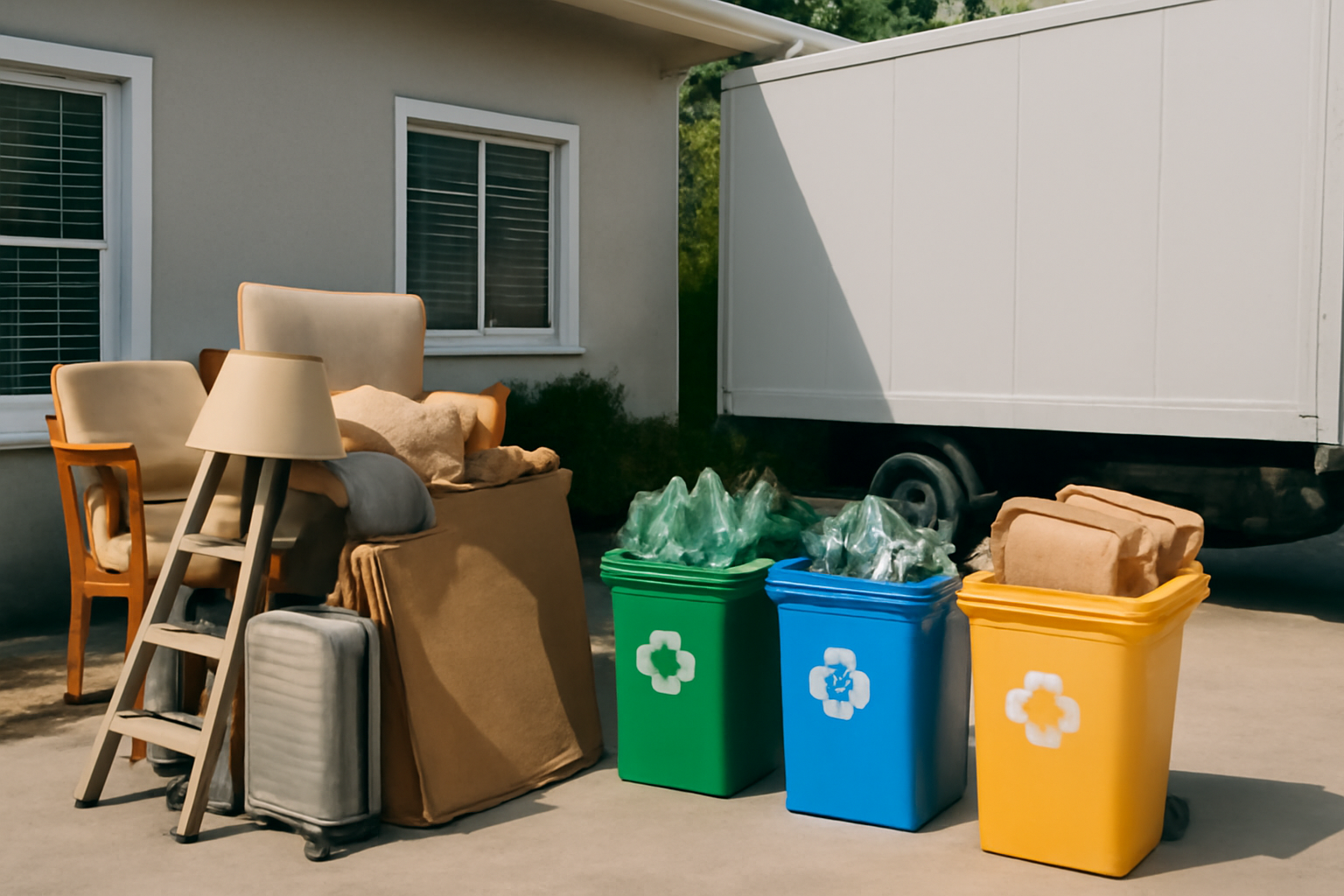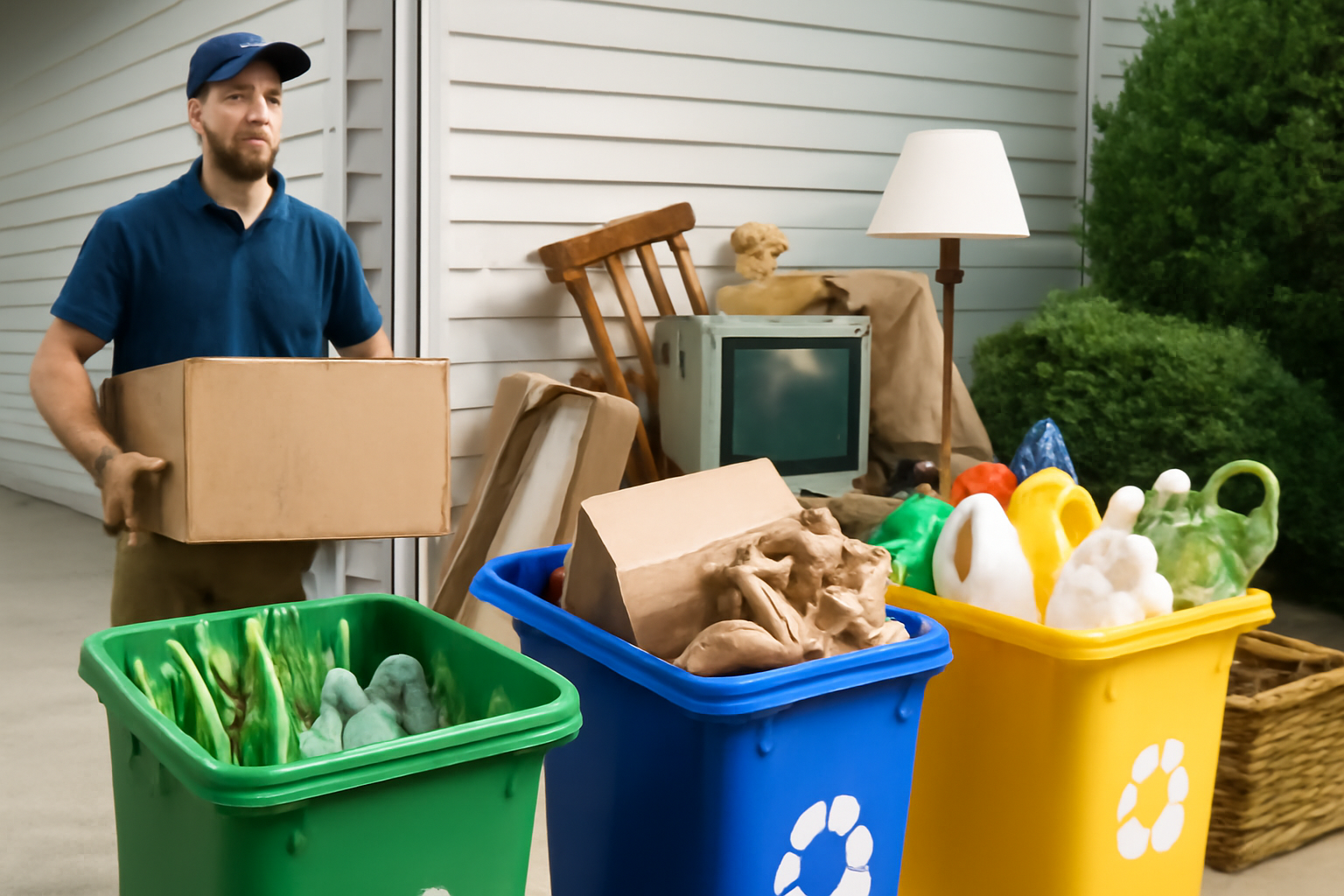
Texas is a good example of a large, decentralized state where most disposal rules are driven by federal law, hazardous waste standards, and local solid waste programs — not by a long list of statewide landfill bans.
The Texas Commission on Environmental Quality (TCEQ) sets the framework, but counties, cities, and regional councils of governments handle a lot of the day-to-day implementation. For junk removal operators and homeowners doing their own cleanout, that means a few clear statewide rules and a lot of local variation. If you're weighing whether to do a cleanout yourself or bring in help, compare Texas junk removal haulers who already navigate these local differences daily.
Batteries, Used Oil, and Tires: Core "Don't Trash It" Categories
Texas doesn't have the same kind of explicit, consumer-facing landfill bans you see in New York or California, but several categories are effectively off-limits for normal trash because of hazardous waste and special waste rules.
Lead Acid Batteries (Vehicle, Equipment, Marine)
- Treated as universal waste / special waste under federal and state rules.
- Cannot be tossed in dumpsters or municipal trash streams.
- Must go to:
- Auto parts stores or retailers that accept used batteries
- Scrap metal recyclers
- Municipal or county collection programs
Most retailers in Texas operate on a core charge model — you pay extra if you don't turn in a used battery, then get that amount back when you return one.
Rechargeable & Button Cell Batteries
- Often contain lead, cadmium, lithium, or mercury.
- Strongly discouraged from trash; many local programs treat them as household hazardous waste.
- Best practice is to route them to:
- Retailer take-back (big box stores, hardware chains)
- County HHW events or permanent facilities
Even where not explicitly banned, landfilling these is a fire risk and liability risk for operators.
Used Oil & Automotive Fluids
- Engine oil, transmission fluid, gear oil, and similar products are regulated under federal used oil rules and TCEQ guidance.
- Cannot be dumped on the ground, into storm drains, or mixed into general solid waste.
- Must go to auto shops, retailers with used oil collection, or municipal HHW programs.
Tires
- Treated as special waste and are not supposed to go into standard landfills in bulk.
- Must be handled through registered tire transporters, tire recyclers, or municipal/county drop-off sites.
Illegal dumping of tires is a major enforcement focus in Texas, especially around metro areas and rural roads.
Electronics: No Broad Statewide Landfill Ban, But Strong Local Pressure
Unlike New York, Texas does not have a single, sweeping statewide law that bans all covered electronics from landfills. Instead, you get a mix of manufacturer take-back programs (especially for TVs and computers), local HHW programs that accept e-waste, and regional recycling initiatives run by councils of governments.
What this means in practice: there's no universal statewide rule saying "you may not put a TV or computer in the trash." But many cities and counties prohibit electronics in curbside trash by local ordinance, require e-waste to go to designated drop-off sites, and run periodic electronics collection events.
For a junk removal operator, the risk is less "state fine for one TV in a dumpster" and more contract violations with landfills or transfer stations, local citations if you ignore city rules, and customer backlash if you visibly trash electronics instead of recycling them. Best practice: treat computers, TVs, and similar devices as e-waste and route them to proper recycling, even if the statewide law isn't as explicit as in New York.
Household Hazardous Waste (HHW) in Texas
Texas leans heavily on HHW programs rather than consumer-facing landfill bans. Common HHW items include paints (latex and oil-based), solvents and thinners, pesticides and herbicides, pool chemicals, corrosives and oxidizers, and automotive chemicals.
These are generally prohibited from routine landfill disposal and must go through city or county HHW drop-off sites, regional HHW events, or specialized contractors for large commercial volumes. For operators, the rule of thumb is simple: if it's flammable, corrosive, toxic, or reactive, don't put it in the dumpster.
Universal Special Handling Items (Federal Rules Apply)
These rules apply in Texas the same way they do everywhere else.
Appliances Containing Refrigerant
Refrigerators, freezers, AC units, and similar equipment must have refrigerant removed by EPA Section 608 certified technicians. You can't legally vent refrigerant or dump intact units without proper evacuation and documentation.
Large Appliances & "White Goods"
Often handled as bulk waste or scrap metal. Many Texas cities require special pickup or drop-off — not standard curbside trash.
Practical Junk Removal Checklist for Texas
- Batteries — Treat lead acid batteries as non-trash, always. Route rechargeable and button cell batteries to retailer or HHW collection.
- Used oil & automotive fluids — Never mix used oil into general trash or pour it out. Use auto shops, retailers, or HHW programs.
- Tires — Don't load tires into standard dumpsters or landfill loads. Use tire recyclers or municipal drop-off.
- Electronics — Assume local rules may restrict TVs, computers, and similar devices from curbside trash. Use e-waste recycling programs, manufacturer take-back, or HHW events.
- HHW items — Route paints, solvents, pesticides, and similar materials to HHW programs, not regular trash.
- Refrigerant-bearing appliances — Make sure units are properly evacuated by certified technicians before disposal.
Final Takeaway
Texas doesn't run on a big, dramatic statewide "banned items list" — it runs on hazardous waste rules, special waste categories, and local ordinances. For junk removal operators, the safest posture is to treat batteries, tires, used oil, HHW, and refrigerant-bearing appliances as never trash, assume electronics are locally restricted even if not explicitly banned statewide, and check city and county solid waste rules before building your standard operating procedures.
Not sure where to take a specific item? Use our Texas dump site and transfer station directory to find the nearest facility. If you'd rather not deal with sorting and hauling it yourself, compare local Texas junk removal haulers who already know these rules and handle disposal correctly.
More State Disposal Guides
Rules vary sharply from state to state. See how your state compares: